US Rooftop Solar Power Has Quadrupled in a Decade
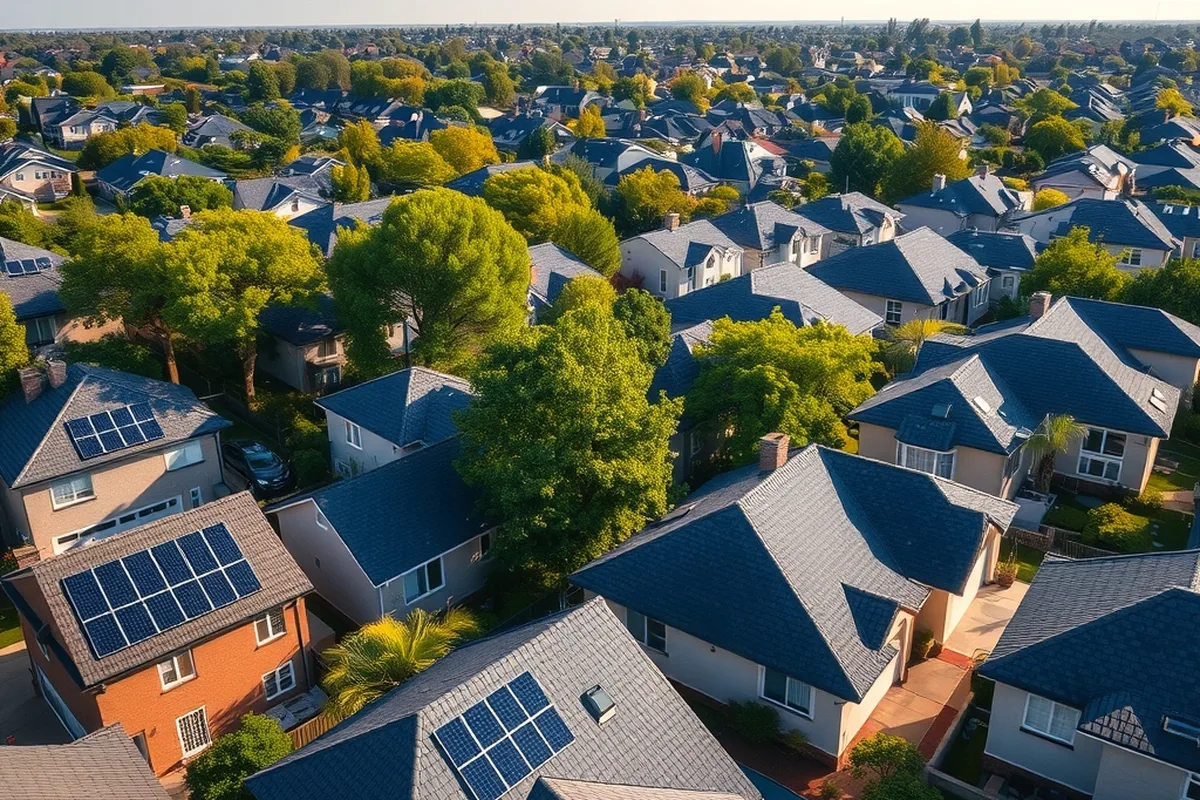
Rooftop solar panels across the United States now make far more electricity than they did ten years ago. Generation from small-scale solar systems has quadrupled over the last decade, according to an analysis the U.S. Energy Information Administration (EIA) published on October 16, 2026.
EIA estimates that these systems, each smaller than 1 megawatt, grew from 18,812 gigawatt-hours to 92,979 gigawatt-hours of generation over that time. Sunny states lead the way. California alone produced 37% of the national total in 2025, or 34,411 gigawatt-hours, after its small-scale capacity rose from 18 gigawatts to 20 gigawatts in a single year. Arizona came next with 5,795 gigawatt-hours.
Growth has spread well beyond the usual places. Texas climbed from 391 gigawatt-hours in 2016 to 5,408 last year, and Florida rose from 205 to 5,198. New York ranks fifth even though it gets less sunshine, thanks to better technology and state incentives. New Jersey, Massachusetts and Illinois run similar programs, and Arizona customers can claim a 25% state income-tax credit for adding rooftop solar.
Because utilities don't always know how much power rooftop panels produce, EIA builds its estimates with modeling tools from the National Renewable Energy Laboratory. The agency also notes that yearly growth has slowed since 2022, when generation jumped 25%. Even so, the ten-year trend shows how quickly small systems on individual roofs can add up.
Each panel turns sunshine into electricity right on the roof where it falls.